
Landscape design can be an independent vocation and a design and fine art traditions, practised by scenery designers, combining mother nature and culture. In modern-day practice, scenery design bridges the area between landscape structures and garden design.Design scopeLandscape design targets both the included master panorama planning of a house and the precise garden design of landscaping elements and plant life within it. The useful, cosmetic, horticultural, and environmental sustainability are also the different parts of landscape design. It is split into hardscape design and softscape design. Scenery designers often collaborate with related disciplines such as structures and geography, soils and civil anatomist, surveying, panorama contracting, botany, and artisan specialties.
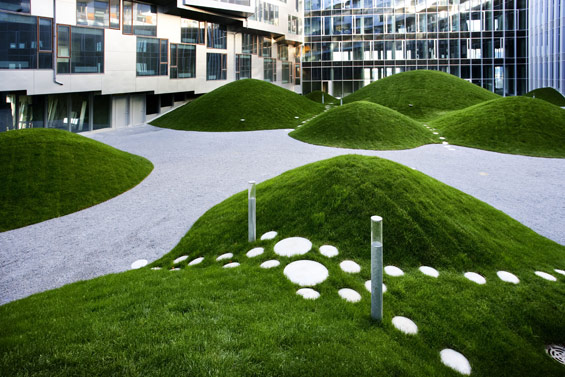
Design tasks may entail two different professional assignments: panorama design and landscaping architecture.- Landscaping design typically entails artistic structure and artisanship, horticultural finesse and knowledge, and focus on detailed site participation from conceptual phases through to last construction.- Landscape architecture centers more on metropolitan planning, city and local parks, civic and corporate and business landscapes, large size interdisciplinary tasks, and delegation to companies after concluding designs.There may be significant overlap of expertise and skill between your two roles, with regards to the education, licensing, and connection with the professional. Both surroundings designers and surroundings architects practice surroundings design.

Design approachDesign factors include objective characteristics such as: weather and microclimates; topography and orientation, site drainage and groundwater recharge; municipal and source of information building rules; soils and irrigation; real human and vehicular gain access to and blood flow; recreational amenities (i.e.: activities and normal water); fixtures and lighting; indigenous vegetable habitat botany when present; property security and safety; development detailing; and other measurable factors.Design factors likewise incorporate subjective features such as: genius loci (the special site attributes to highlight); client's needs and tastes; desirable plant life and elements to maintain on site, improve, or replace, and which may be designed for borrowing of surroundings ("shakkei") from beyond; imaginative structure from perspectives of both looking after and watching from within; spatial development and definition--using lines, sense of size, and balance and symmetry; seed palettes; and imaginative things for enjoyment. You can find countless other design factors and concerns taken to the complex procedure for creating a garden that is beautiful, well-functioning, and this thrives as time passes.

The up-and-coming practice of online panorama design allows professional landscapers to remotely design and plan sites through manipulation of two-dimensional images without ever before physically visiting the positioning. Because of the frequent insufficient non-visual, supplementary data such as garden soil assessments and pH exams, online landscaping always must give attention to incorporating only crops which can be tolerant across many diverse land conditions.TrainingHistorically, surroundings designers trained by apprenticing--such as Andr? Le N?tre, who apprenticed along with his father before building the Landscapes of Versailles--to completed experts in the field, with the titular name differing and reputation paramount for a job. The professional portion of garden designers in European countries and the Americas passed the name 'Panorama Gardener.' Within the 1890s, the distinctive classification of surroundings architect was made, with educational and licensing test requirements for using the name officially. Beatrix Farrand, the only real female in the founding group, refused the name preferring Surroundings Gardener. Matching your client and complex needs of your project, and the correct practitioner with expertise, legal certification, and experienced skills, surmounts subject nomenclature.Institutional education in surroundings design came out in the first 20th century. As time passes it became offered by various levels. Ornamental horticulture programs with design components can be found at community school and colleges within universities of agriculture or horticulture, with some starting to offer garden or panorama design certificates and diplomas.Departments of surroundings architecture can be found within university universities of structures or environmental design, with undergraduate and graduate diplomas offered. Specialties and minors can be purchased in horticultural botany, horticulture, natural resources, surroundings engineering, engineering management, fine and applied arts, and panorama design history. Usually, hand attracted drawings documented the look and position of features for development, but Panorama design software is generally used now.Other routes of training are through casual apprenticeships with training landscape designers, scenery architects, landscape companies, gardeners, nurseries and garden centers, and docent programs at botanical and open public gardens. Because the landscape designer name doesn't have university level or licensing requirements to be utilized, there's a very wide selection of sophistication, aesthetic ability, technical know-how, and specialty advantages to be responsibly matched up with specific consumer and job requirementsGardeningMany scenery designers don't mind spending time and engagement with gardening, individually or expertly. Some integrate this range using their design practice, informally or as accredited landscape contractors. Landscapes are dynamic rather than static after structure and planting are completed, therefore in a few ways are 'never done.' Engagement with surroundings management and way of ongoing garden way, evolution, and care and attention rely upon the professional's and client's needs and inclinations. Much like the other interrelated landscaping disciplines, there may be overlap of services offered under the game titles of landscape developer or professional gardener.
Related Images with Mounds in Front Yard Landscaping Gardening: Flower and Vegetables
HOUSE Copenhagen, Denmark BIG
Contemporary Landscape with Duranta Gold Mound Design by Evergreen
If you want to mask the access ports in a mound septic system, this is
designs garden design side yard landscaping ps how to landscape

Komentar
Posting Komentar